"Performance = Competence × Motivation" is a simple representation often used to highlight the importance of both competence and motivation in achieving high performance, especially in the context of human or organizational performance. Let's break down the components:
Competence:
- Competence refers to the knowledge, skills, and abilities that an individual or a team possesses. It's about having the necessary expertise and capability to perform a task or achieve a goal.
Motivation:
- Motivation represents the drive, enthusiasm, and willingness to put in effort to accomplish a task. It's the internal or external force that energizes and directs behavior toward a goal.
According to the equation, performance is seen as the product of both competence and motivation, suggesting that both factors are essential contributors to overall performance. This implies that even if someone is highly competent, their performance might be suboptimal if motivation is lacking, and vice versa.
It's important to note that this equation is a simplification and may not capture all the nuances of performance in every context. Other factors, such as resources, environment, and external influences, can also play a significant role in determining performance. Nonetheless, the equation serves as a useful reminder that both competence and motivation are crucial elements to consider when assessing or improving performance.
So let's dive into a bit more detail:
Competence is a multi-faceted concept that encompasses a range of knowledge, skills, and attributes required to effectively perform a task, job, or function. The components of competence can vary depending on the specific context or field, but generally, they include:
Knowledge:
- Procedural Knowledge: Understanding how to perform specific tasks or procedures.
- Declarative Knowledge: Possessing factual information and theoretical understanding relevant to the domain.
Skills:
- Technical Skills: Practical, hands-on abilities related to a specific task or technology.
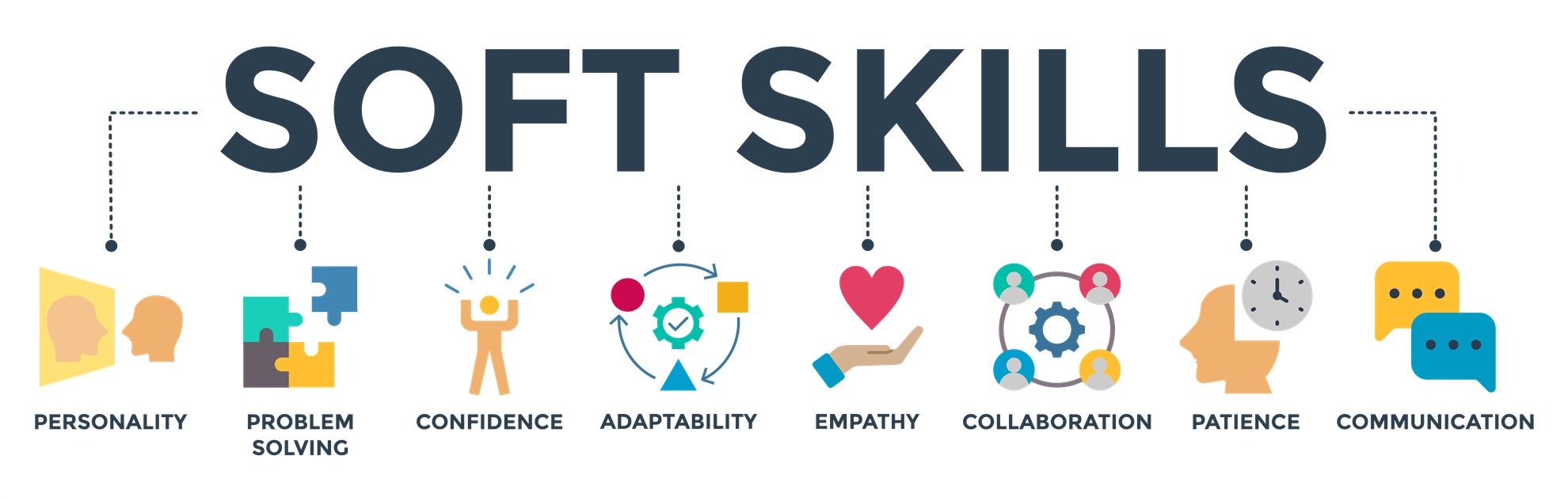
- Interpersonal Skills: The ability to interact effectively with others, including communication, teamwork, and conflict resolution.
Abilities:
- Cognitive Abilities: Higher-level mental processes such as critical thinking, problem-solving, and decision-making.
- Physical Abilities: The capacity to perform tasks that require physical dexterity, strength, or coordination.
Attitudes and Traits:
- Professionalism: Demonstrating a commitment to ethical standards, responsibility, and integrity.
- Adaptability: Being flexible and open to change, especially in dynamic environments.
- Initiative: Taking proactive steps and showing a willingness to go beyond basic requirements.
Experience:
- Practical Experience: Gained through hands-on application of knowledge and skills in real-world situations.
- Relevant Work Experience: Past employment or projects that contribute to a person's competence in a specific area.
Continuous Learning:
- Self-Directed Learning: Taking the initiative to acquire new knowledge and skills independently.
- Professional Development: Engaging in formal training, workshops, or educational programs to enhance competence.
Problem-Solving:
- Analytical Thinking: The ability to analyze situations, identify problems, and propose effective solutions.
- Creativity: Generating innovative ideas and approaches to address challenges.
Communication:
- Verbal and Written Communication: Expressing ideas clearly and effectively through spoken and written means.
- Active Listening: Paying attention and fully understanding information conveyed by others.
These components are interconnected, and competence often involves a combination of these factors. In various professions or fields, specific competencies may be emphasized based on the nature of the work. Competence is a dynamic concept, and individuals may need to adapt and update their competencies over time to stay relevant in their roles.
Motivation is a complex psychological construct that drives individuals to take action, persist in their efforts, and achieve their goals. The components of motivation can be categorized into several factors that influence and contribute to an individual's drive and commitment. Here are some key components of motivation:
Intrinsic Motivation:
- Internal Drive: Motivation that comes from within, driven by personal interest, enjoyment, or a sense of satisfaction derived from the activity itself.
- Passion: A strong and enduring enthusiasm for a particular pursuit or goal.
Extrinsic Motivation:
- External Rewards: Motivation derived from external factors such as recognition, praise, financial incentives, or other tangible rewards.
- Social Approval: Desire for acceptance, approval, or positive feedback from others.
Goal Orientation:
- Goal Setting: The process of establishing specific, measurable, achievable, relevant, and time-bound (SMART) goals.
- Goal Commitment: The level of dedication and determination an individual has toward achieving their goals.
Self-Efficacy:
- Belief in Abilities: Confidence in one's own capability to successfully perform tasks and overcome challenges.
- Mastery Experience: Past successes and accomplishments that contribute to a positive self-perception of competence.
Expectancy Theory:
- Expectancy: Belief that effort will lead to performance improvement.
- Instrumentality: Perception that successful performance will result in desired outcomes or rewards.
- Valence: The value or importance an individual places on the anticipated rewards.
Autonomy:
- Self-Determination: Feeling of autonomy and the ability to make choices and control one's actions.
- Sense of Ownership: Taking personal responsibility for tasks and outcomes.
Social and Environmental Factors:
- Social Support: Encouragement, assistance, and cooperation from peers, mentors, or a supportive social network.
- Organizational Culture: The values, norms, and expectations within an organization that can influence motivation.
Emotional Factors:
- Emotional Engagement: Feeling emotionally connected to a task or goal.
- Positive Affect: Experiencing positive emotions such as joy, enthusiasm, or satisfaction related to the task.
Cognitive Factors:
- Attribution Theory: How individuals interpret and attribute their successes and failures, influencing future motivation.
- Self-Regulation: The ability to monitor, regulate, and control one's thoughts, emotions, and behaviors to achieve goals.
Interest and Curiosity:
- Curiosity: A desire to explore and learn more about a particular subject or activity.
- Passion: An intense and enduring interest in a specific area.
It's important to note that motivation is highly individualized, and different people may be motivated by different combinations of these components. Additionally, the factors influencing motivation can vary across different contexts and situations.
In conclusion, not every human being is going to make a great Rotarian but I hope you can start recognizing a set of traits that our most productive Rotarians have. By knowing what is missing, it is easier to target and area and develop a person into something better if they are willing.
