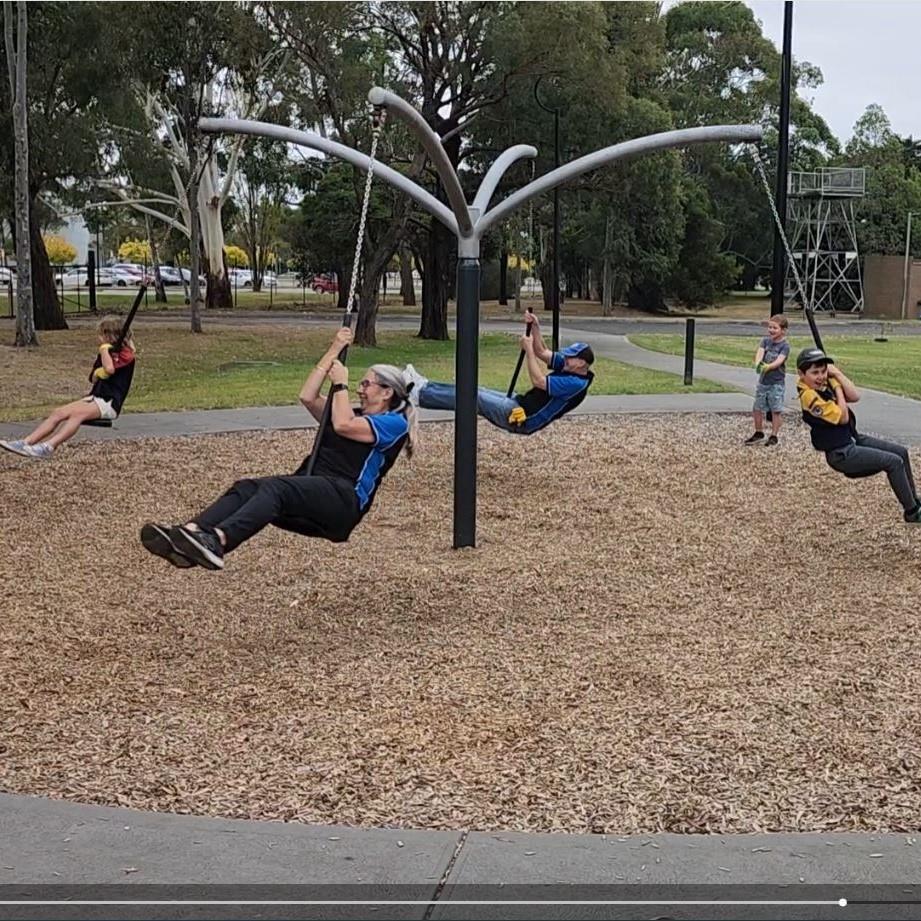
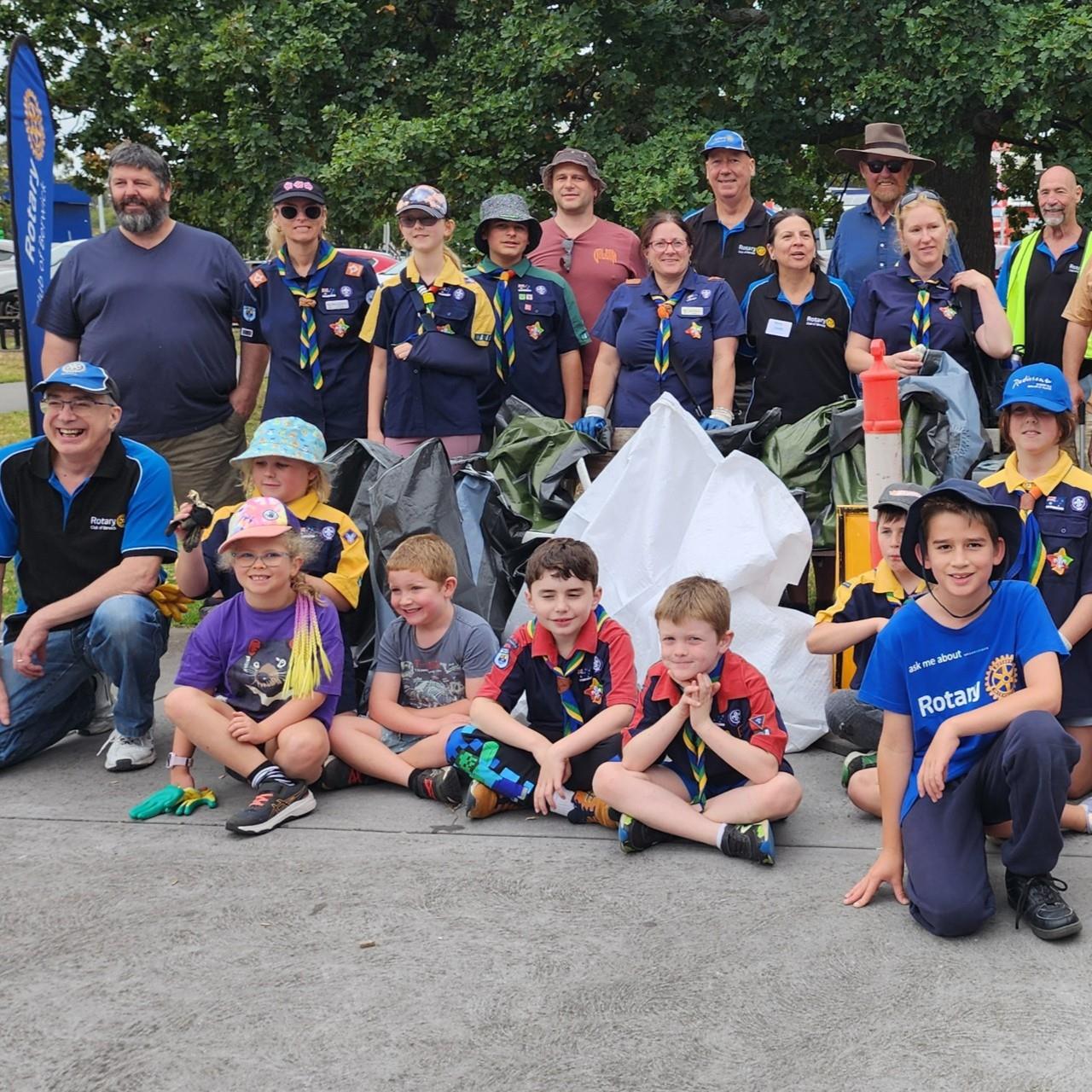
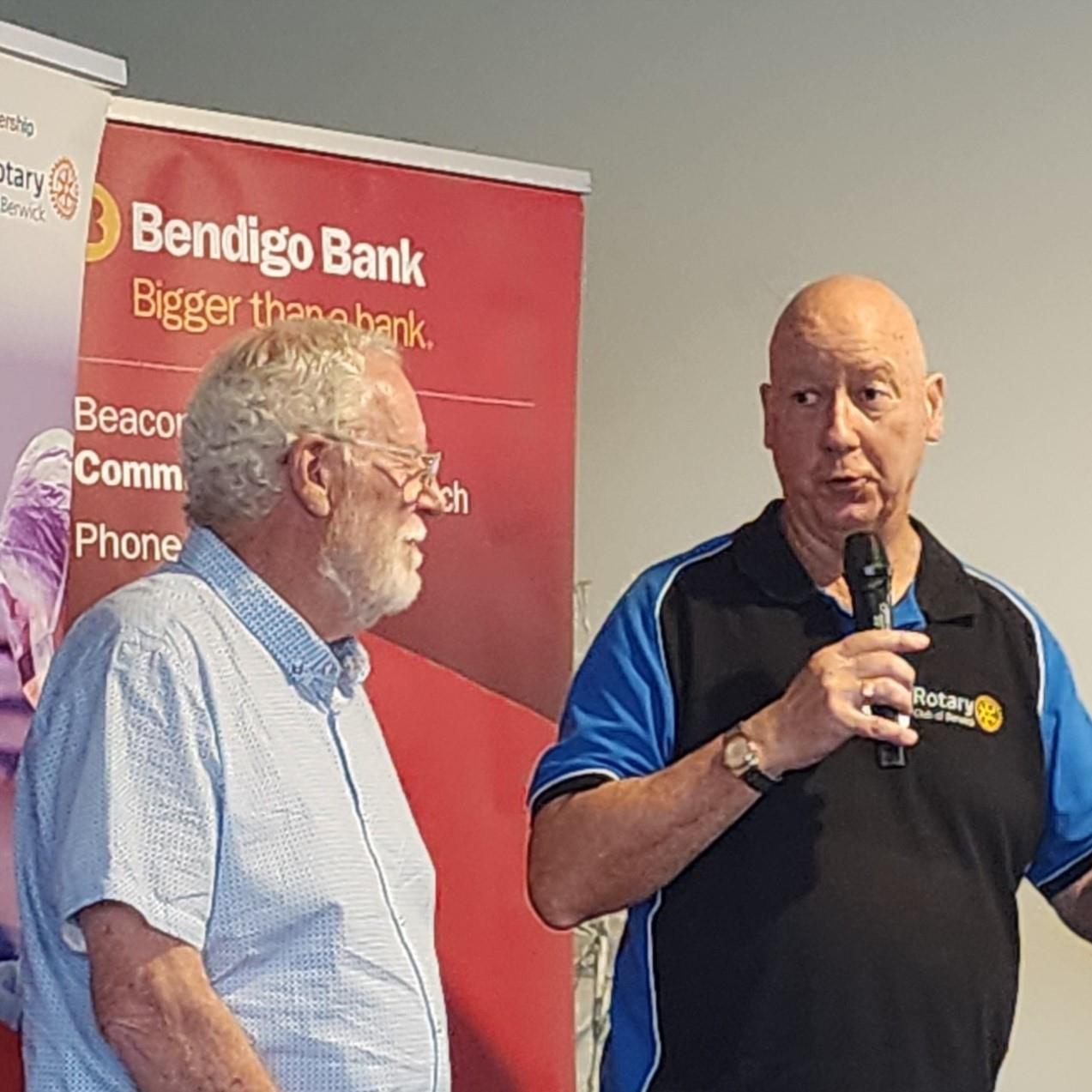
Welcome to our vibrant and relaxed Rotary Club, where community spirit thrives alongside a sense of ease and camaraderie. Picture a place where laughter mingles with purpose and friendships are forged through shared experiences and meaningful endeavours.
They shall not grow old, as we that are left grow old.
Age shall not weary them, nor the years condemn
At the going down of the sun, and in the morning
We will remember them. Lest we forget.
Firstly I want to say a heartfelt thanks to our club members who made their way to Bunjil Place for a 5.10 am start to support Narre Warren Rotary with their hosting of the traditional ANZAC Day Breakfast. Everyone toiled away until just before 9.00 am fulfilling a number of tasks such as cooking, serving, washing up and clearing up after all the guests has left. Trevor and I served up some 150 sausages in bread to folk young and old who attended the dawn service and we were greeted with praise and thanks for the work we all collectively do in the community and it is important that everyone in the club hears that.
Also, I want to apologise to those members affected by our decision to cancel our meeting this week. Unfortunately we were left with no alternative but to cancel as we simply had not enough people registered to attend. Ray Heathcote, our scheduled guest speaker will circle back around and share what is keeping those wonderful people within the RSL busy. When I phoned Ray on Tuesday to inform him that our meeting had been postponed I got a real sense that he was sad and disappointed that he was not coming along to see us. I know Ray values the overall contribution that Berwick Rotary makes in our community. In context it is an extremely busy time of year for Ray and he was between school visits talking about the importance of ANZAC day. Hopefully he can fit us in soon.
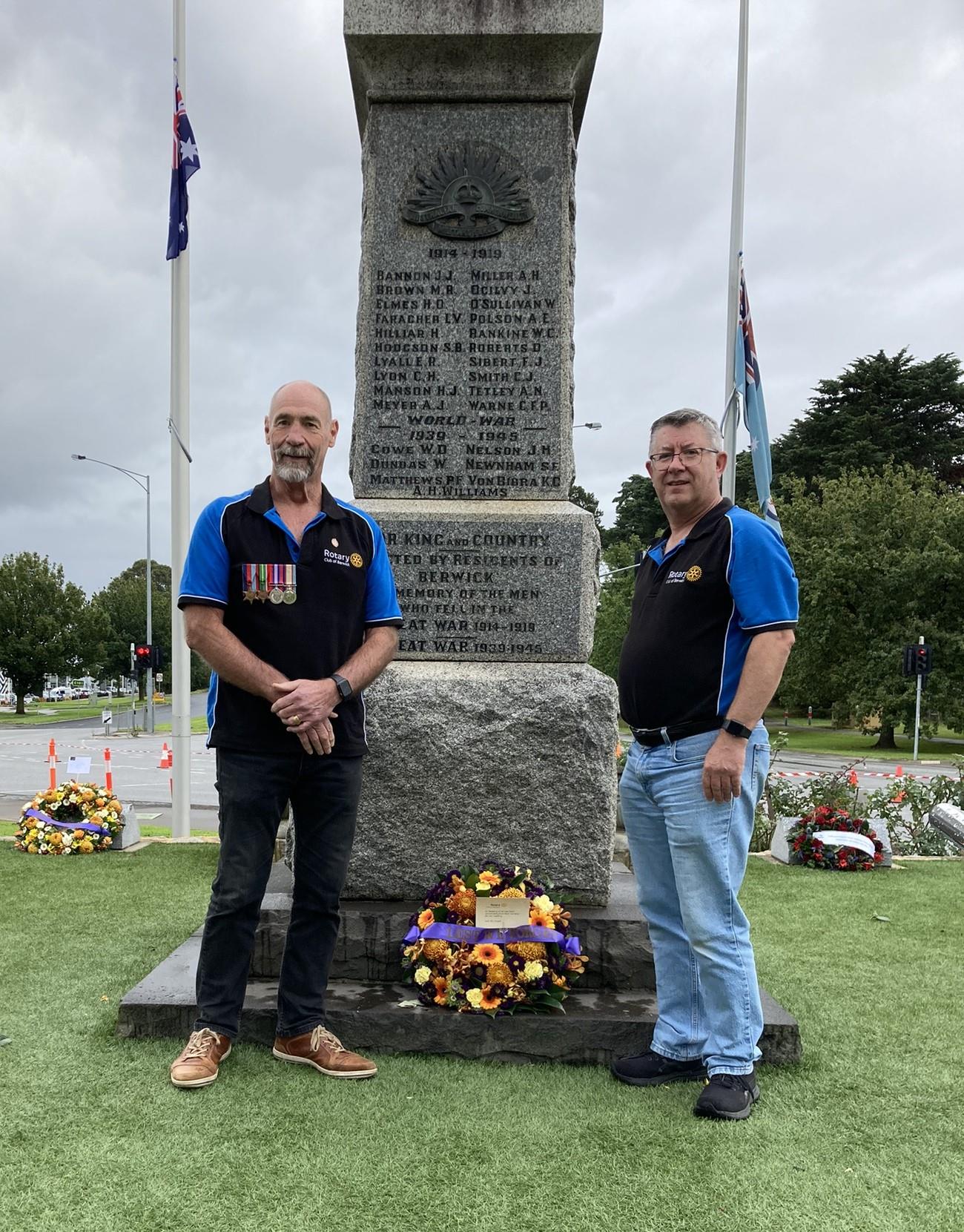
Rounding out our ANZAC activities, Andrew, Michele & I spent some time on ANZAC day morning laying a wreath in Berwick on the club’s behalf to honour those who have served and are serving currently and to mark our respect for those that have fallen.
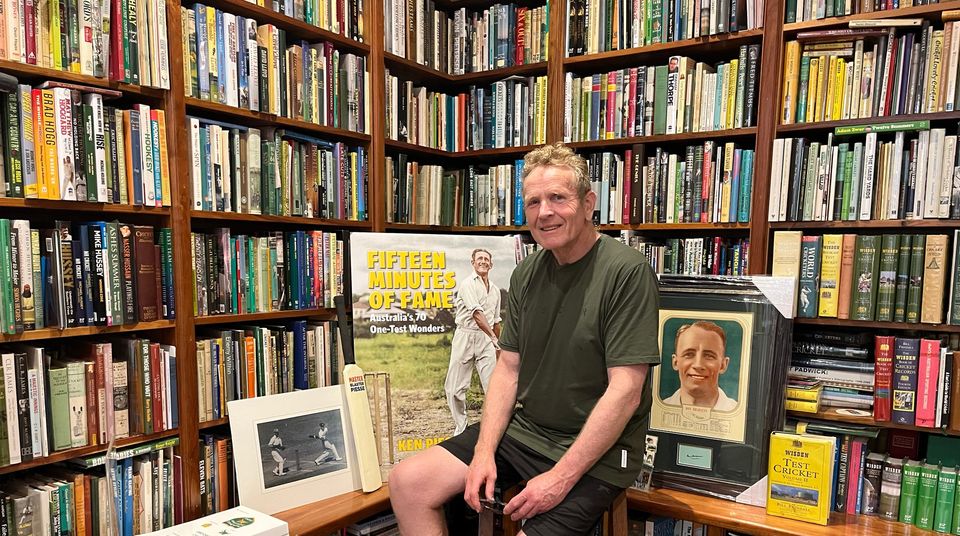
Next week, Ken Piesse will speak at our meeting. I have issued invitations to my friends to attend, as I know they will enjoy what Ken has to share.
Can I please encourage all club members to reach out to family and friends and invite them along as well. Trevor and Andrew, through their relationship with Fitness For Blokes have done a tremendous job in getting the night into our calendar and now it is our collective responsibility to ensure it is well attended. Having heard Ken speak on a few occasions, I know all who come along will be thoroughly entertained. Hope to see as many as possible there next Wednesday.
Finally, I want to thank Michelle & Funno for getting the 52nd Annual Rotary Clubs of Monbulk and Berwick Bowls Challenge on our calendar. Hopefully, we can get a good squad together and take home the silverware. Please put a placeholder into your calendars for Wednesday 8th of May 2024, so you can make it along.
Gus is very busy, but he has agreed to cover for Bulletin Editor David (Me) while I am on an overseas adventure for the month of May.
Gus will be next year's bulletin editor, promising to only publish submitted content, and will not make up all the random stuff I make up.
Firstly, I am very happy that Gus is stepping up into an area in which he does not feel naturally comfortable. Secondly, I am very happy that Gus wants to learn how to put that content together. There are definitive moments in people's lives that put them into pivotal roles that they see no one else filling and even though they have no idea what they are doing, they are doing it anyway. In Rotary, that's the way I operate, and I have had a very fulfilling experience due to the support from my colleagues. Now it is time for our Club to get behind Gus!
I see our Club bulletin as something more than the potentially boring day-to-day plod of Rotary. Our Club is full of vibrance and action through the eyes of the members. The broader landscape of Rotary is also full of vibrance and action through the eyes of other Rotarians. Rotarians are not just stick figures of Rotary. They are real people with real lives, both in and out of Rotary. Personally, I love big picture stories, so I construct a bulletin based on my Rotary view on the day.
I am counting on all the members of RCB, its readers, and its followers to pitch in and give Gus some informative content to publish and keep our readership informed using their view of Rotary on the day. This can include personal experiences as well as experiences of other Rotarians in their clubs that could potentially enliven our experiences in our club.
While I am away, I hope to do my part and give Gus something worthwhile to publish, but it is also important that every member have a go and send Gus something they think our readership would like to hear about. If we all sit back and do nothing, Gus will not be producing a good bulletin and the members of RCB will not be happy with our public image. Public Image is every member's responsibility, and Gus is our conduit.
Roll that around in your mind for a bit because usually, no one steps forward to help the bulletin editor create an informative bulletin. I encourage anyone to give it a go. Once you have a story published, it becomes easier to get over your inhibitions and our readers will enjoy the diversity of many contributors.
Note to self! Give Gus a hand while the Buttonman is away.
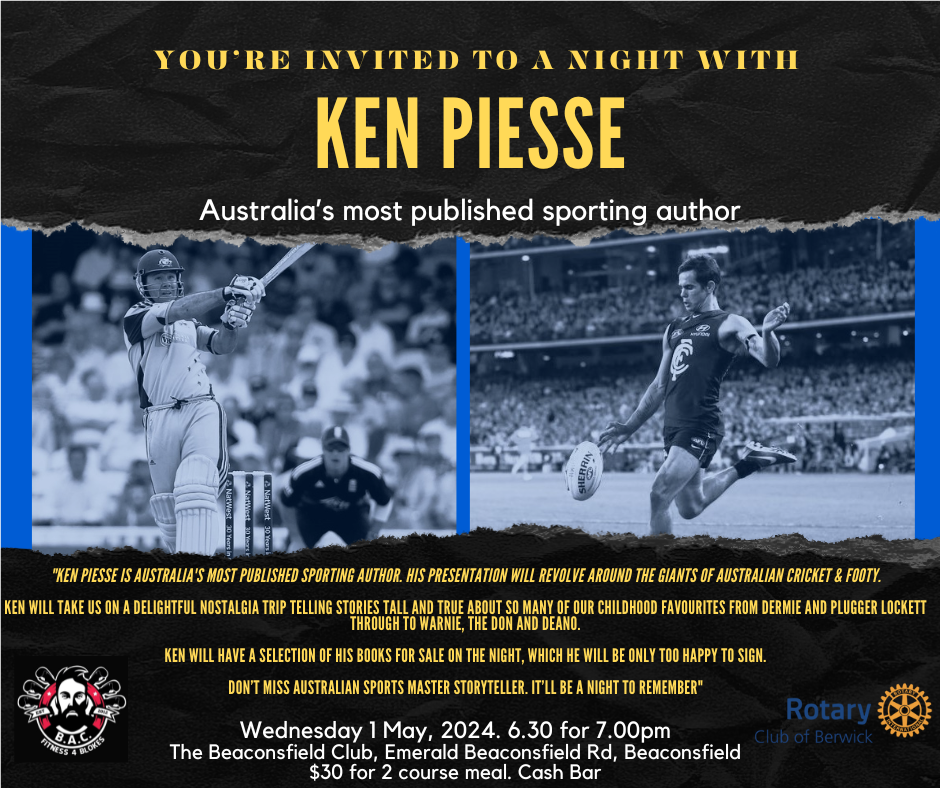
Anyone who loves sport is welcome to attend. Signed books will be available on the night.
Wednesday 1st May at The Beaconsfield Club. 6.30pm for 7.00pm
Our guest of honour, Australia’s most published sporting author, KEN PIESSE, will take us all on a delightful nostalgia trip telling stories tall and true about so many of our childhood favourites from Dermie and Plugger Lockett through to Warnie, the Don and Deano.
Don’t miss Australian sports master storyteller. All Rotarians, friends and family are welcome to attend. $30 for two-course meals and drinks at bar prices. It’ll be a night to remember. Don't forget to bring your friends with you!
This is a little sideline to Anzac Day, as my side of WWII is from the USA. I think our bulletin should tell stories that may not always be about Rotary but about the different aspects of our club, its members, and its friends. A bulletin with a few surprises is always worth having a cheeky peek at because sometimes something might be interesting to read.
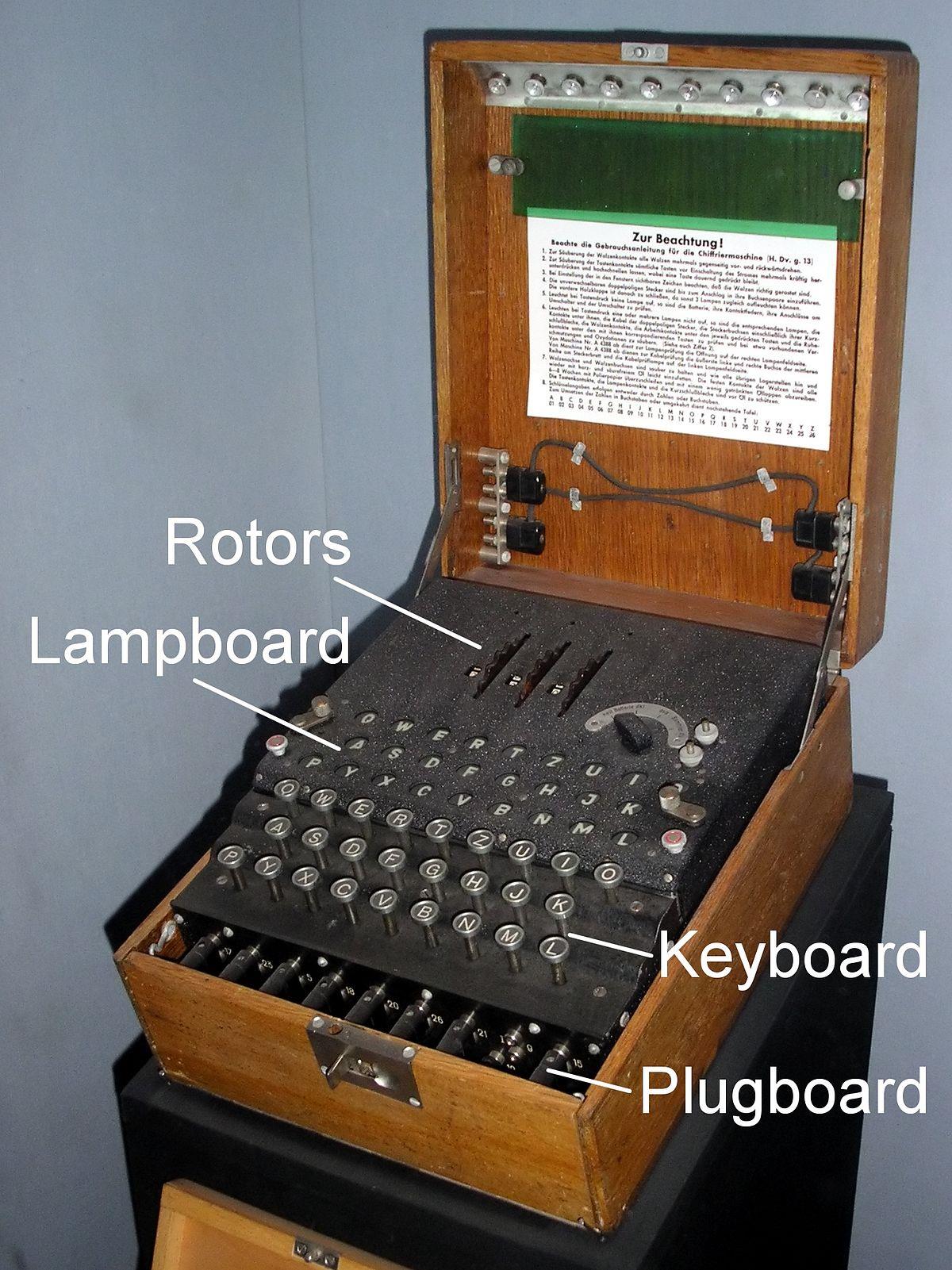
This story concerns the Enigma machine and the people my Uncle Bob worked with at Bletchley Park, Buckinghamshire, England. I wanted to share a story for Anzac Day because many people do different jobs during a war, even if they are from a different country. This is one of the non-violent stories, bringing the British and the Americans a little closer during the war effort. The work done to crack the Enigma code and get ahead of the game possibly shortened by two years and saved countless lives.
ENIGMA was the codename for the cipher machine developed from a design patented by a Dutchman, Hugo Koch, in 1919. Impressed by its security, which was based on a high level of statistical complexity, the German Army acquired all rights to the machine. It adapted it to the needs of its modern military forces. It became the standard cipher machine for Germany's military services, intelligence agents, and secret police. It was used at all levels, from high command to front-line tactical units, including individual aeroplanes, tanks, and ships. Although Polish mathematicians had worked out how to read Enigma messages and had shared this information with the British, the Germans increased their security at the outbreak of war by changing the cipher system daily, making the task of understanding the code even more difficult.
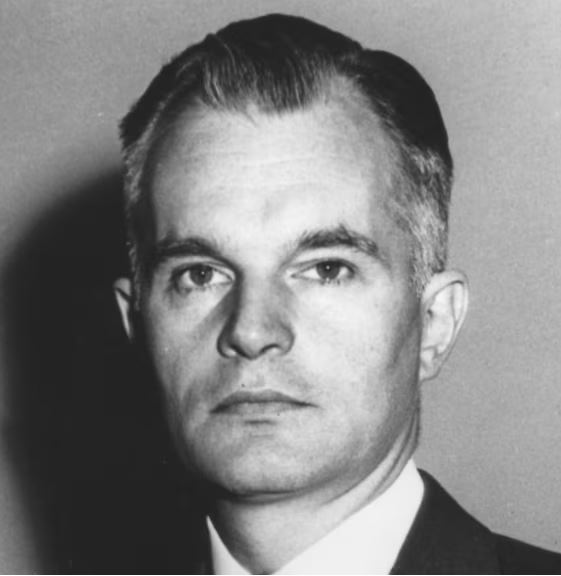
Breaking the Code: Alan Turing was a brilliant mathematician. Born in London in 1912, he studied at Cambridge and Princeton universities. Before the Second World War, he worked part-time for the British Government’s Code and Cypher School. In 1939, Turing took up a full-time role at Bletchley Park in Buckinghamshire, where top-secret work was carried out to decipher the military codes used by Germany and its allies. Turing’s work at Bletchley was the main focus of cracking the ‘Enigma’ code. Turing, along with fellow code-breaker Gordon Welchman, played a key role in inventing a machine known as the Bombe. This device significantly reduced the work of the code-breakers. From mid-1940, German Air Force signals were being read at Bletchley, and the intelligence gained from them was helping the war effort.
In July 1942, Turing developed a complex code-breaking technique called ‘Turingery’. This method fed into work by others at Bletchley to understand the ‘Lorenz’ cipher machine. Lorenz enciphered German strategic messages of high importance: Bletchley's ability to read these contributed significantly to the Allied war effort. Turing travelled to the United States in December 1942 to advise US military intelligence on using Bombe machines and share his knowledge of Enigma. While there, he also saw the latest American progress on a top-secret speech-enciphering system.
Then Uncle Bob stepped into the picture. Bob Button began his communications, music and writing career at Dartmouth College (Class of 36), where he was a member of the Casque and Gauntlet Honor Society. He went to work for NBC and obtained a law degree in 1939. He was the first NBC employee to be drafted in 1941.
After being drafted, Bob moved through the ranks, most likely because of his law degree and his wit and eventually became a military intelligence officer. He served on General Bradley's G-2 staff and General Eisenhower's Special Forces staff in England, Germany, and France. He was one of the first Americans to work on the Enigma code-breaking project at Bletchley Park, England, where he played an important role in decrypting intelligence messages. It took a while for the British to trust him, but he eventually gained a solid reputation with his British colleagues.
He emerged from the military as a Colonel, earning 2 Bronze Stars and 6 Battle Stars. The military allowed Uncle Bob to play the piano and he often entertained the soldiers and others. By all accounts, he was a talented musician and enjoyed making a party wherever he could. On one occasion a booby-trapped piano almost ended it all, but he managed to survive.
Uncle Bob wrote a book titled Enigma in Many Keys about his military experiences, which I found pretty entertaining considering the certain traits entrenched in the Button lineage. His children (my cousins) convinced him to write a memoir using the letters he wrote to his parents during the war as a reference. What he was doing, for the most part, was top secret, so the letters had to contain only permissible content to ensure his parents did not become unduly alarmed. The only thing that alarmed me about Bob was that he was a Lion, whereas my brothers are Rotarians. Community matters in my family.
After the war, he continued at the forefront of the communications industry with NBC and Voice of America. He also served as a Public Affairs Advisor to the US Ambassador to NATO and Executive Assistant to the Chairman of Communications Satellite Corporation when it first launched the first communications satellite.
There is a lot more to the story, but you can find out more by looking at the links below if you are interested or have time to spare trolling the internet. That is all I have to share on this Anzac Day. I hope you found some of the story interesting and that it brought a different perspective to the aspects of war.
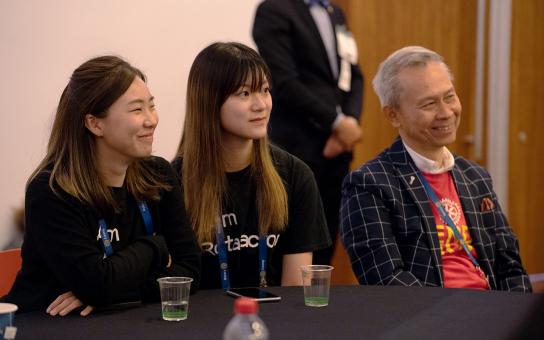
Take away bold ideas about how to improve your club experience, your community, and the world from breakout sessions at the Rotary convention in Singapore.



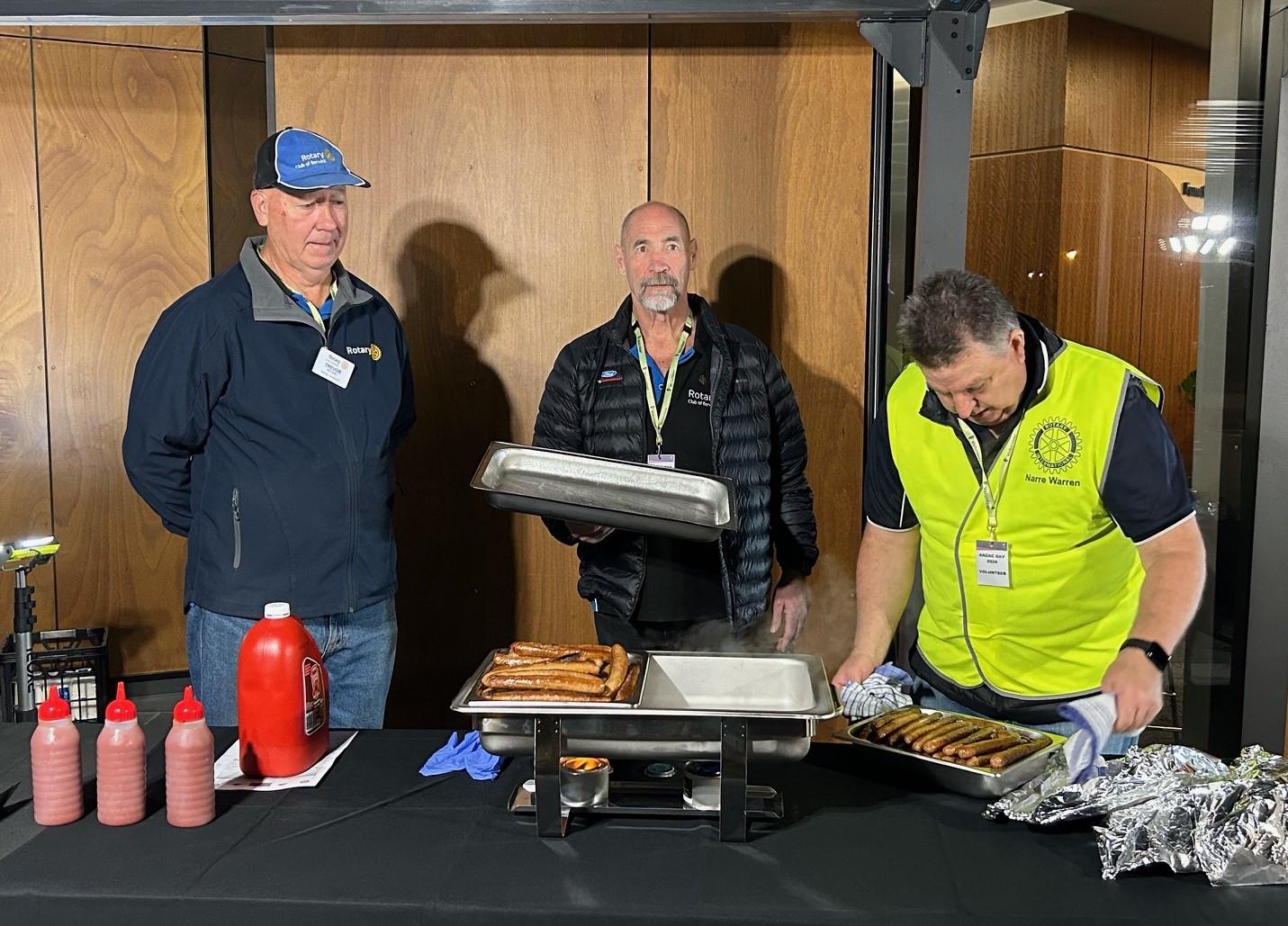
 Firstly I want to say a heartfelt thanks to our club members who made their way to Bunjil Place for a 5.10 am start to support Narre Warren Rotary with their hosting of the traditional ANZAC Day Breakfast. Everyone toiled away until just before 9.00 am fulfilling a number of tasks such as cooking, serving, washing up and clearing up after all the guests has left. Trevor and I served up some 150 sausages in bread to folk young and old who attended the dawn service and we were greeted with praise and thanks for the work we all collectively do in the community and it is important that everyone in the club hears that.

 Gus is very busy, but he has agreed to cover for Bulletin Editor David (Me) while I am on an overseas adventure for the month of May.